Creative
Choreography, Concept and Direction: Lewis Major
Music: James Peter Brown
Photography: Chris Herzfeld / Camlight Productions
Work
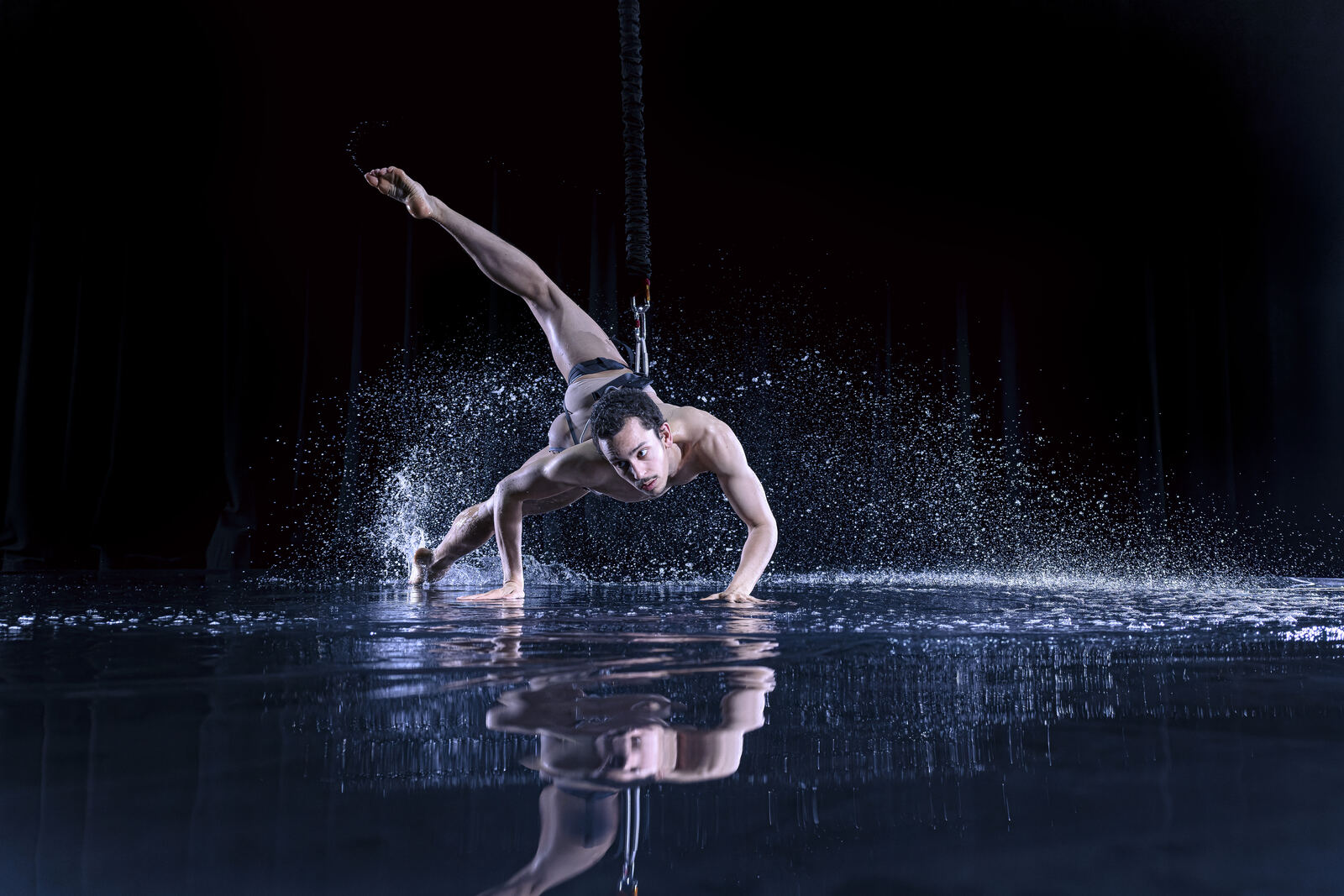
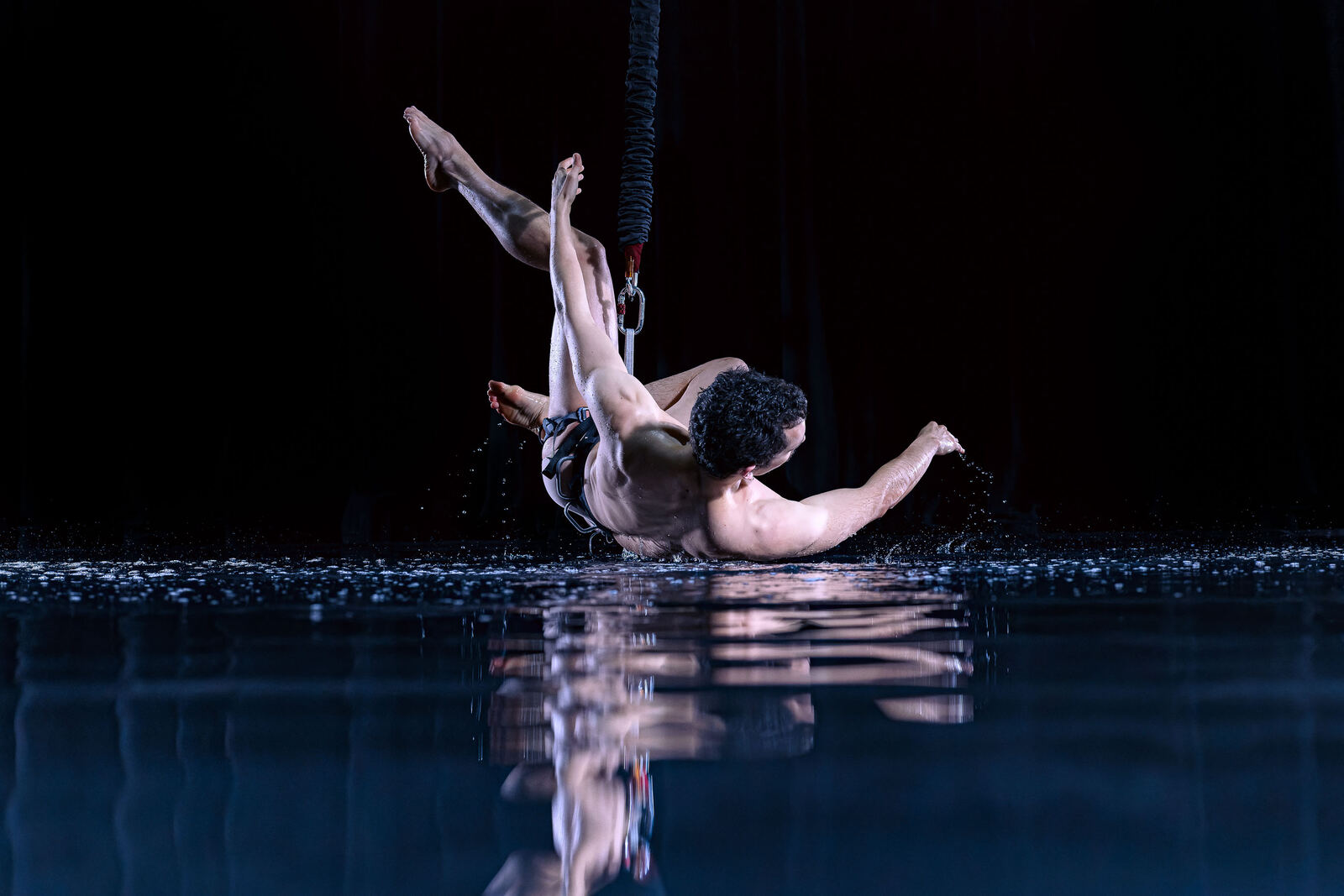
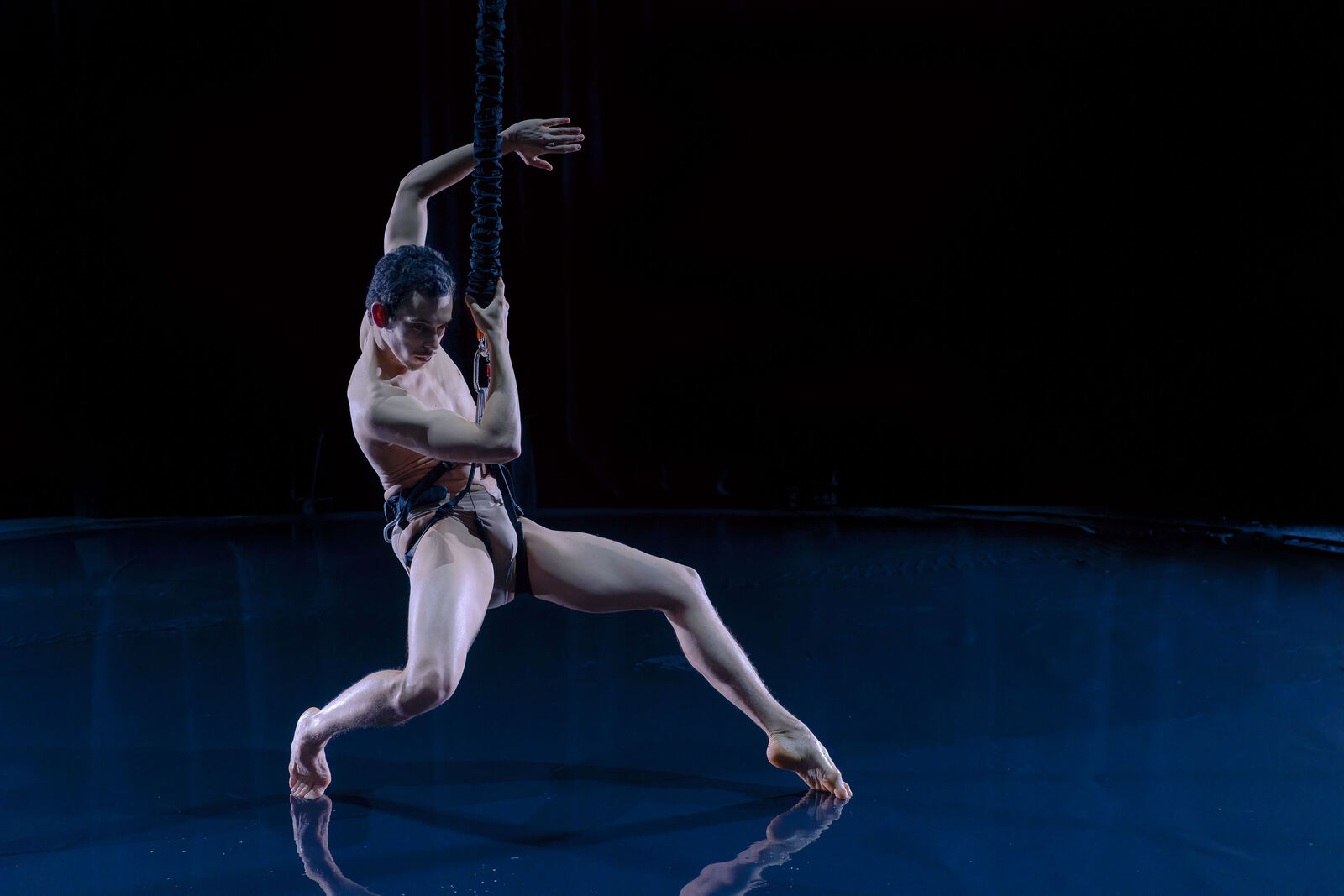
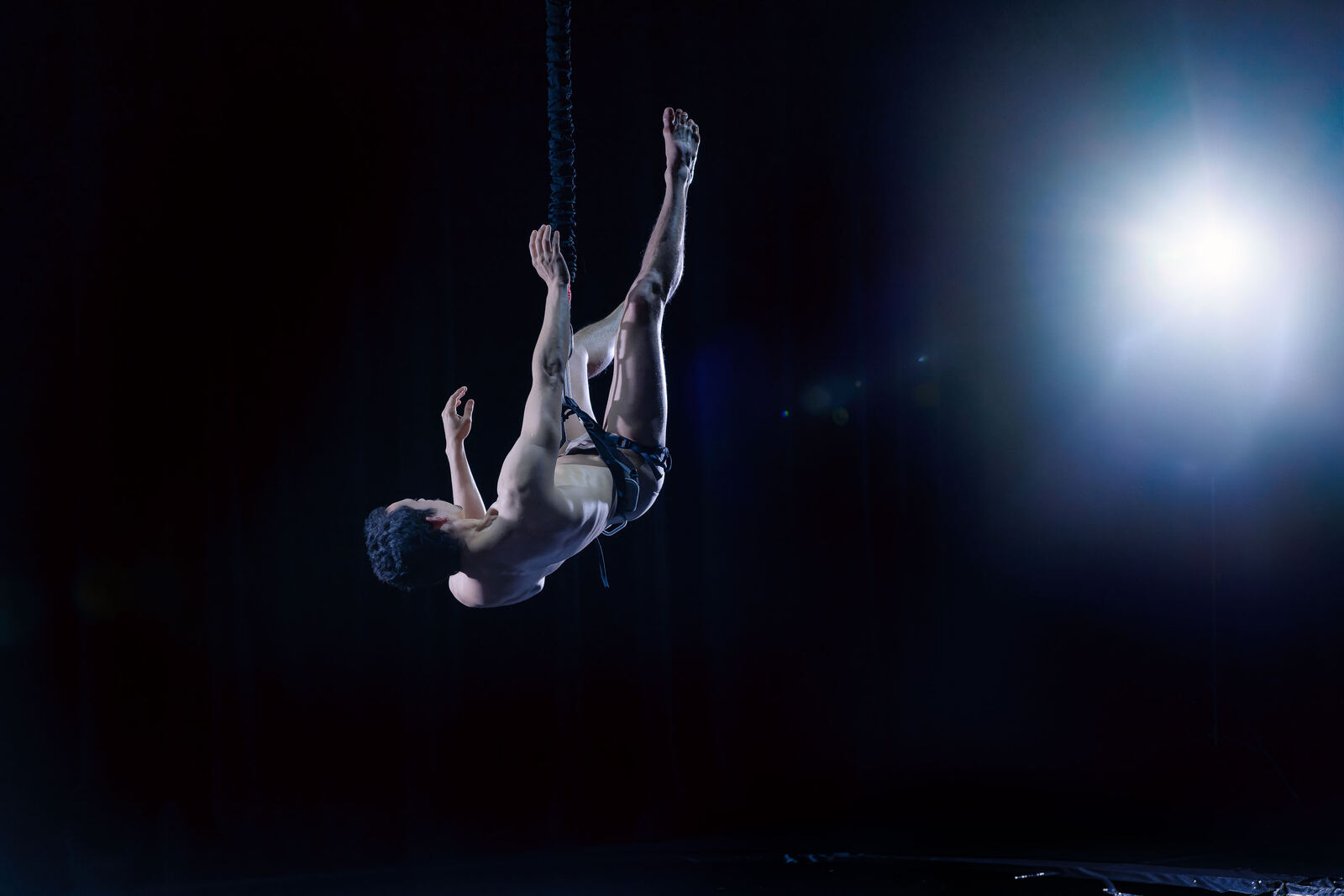
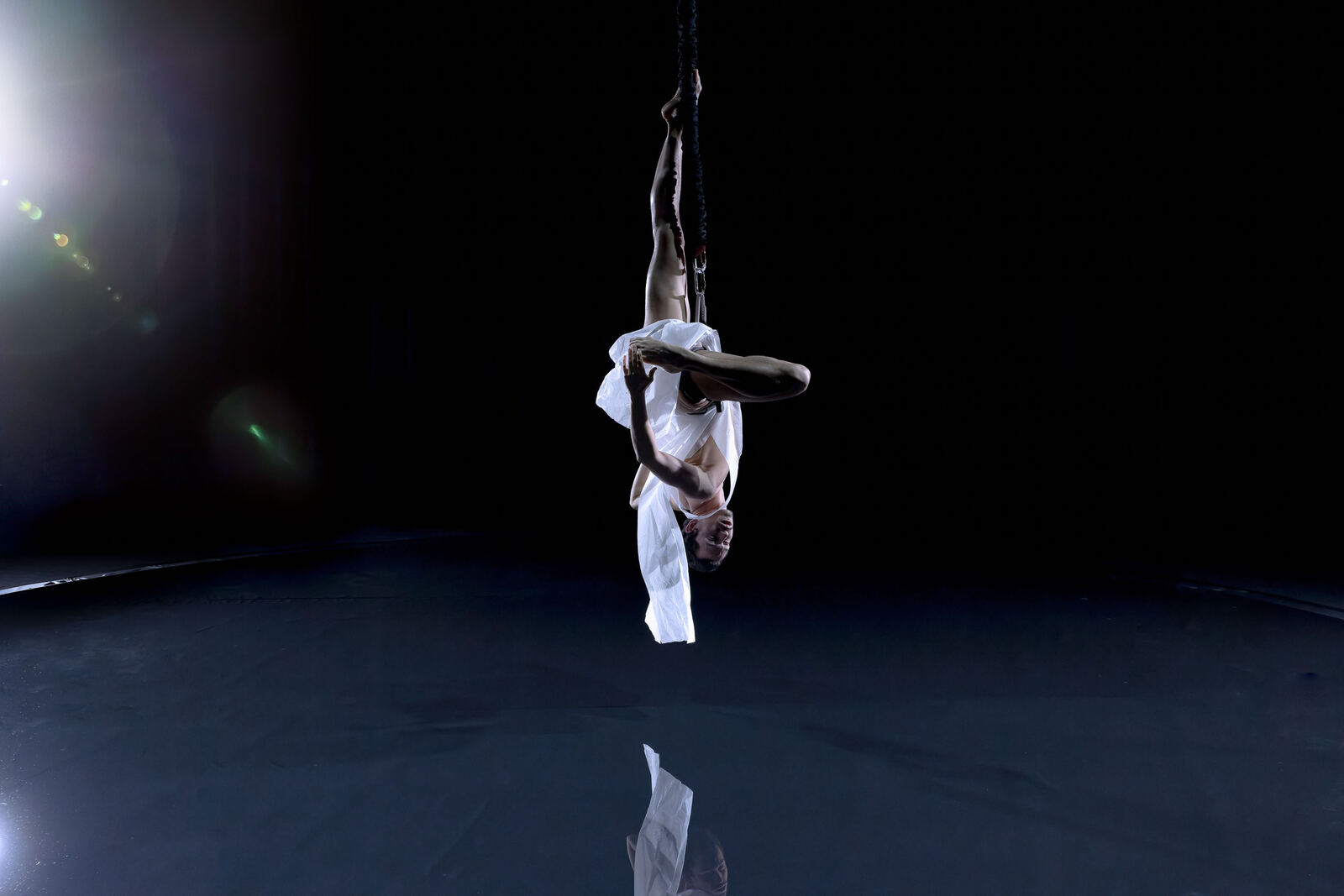
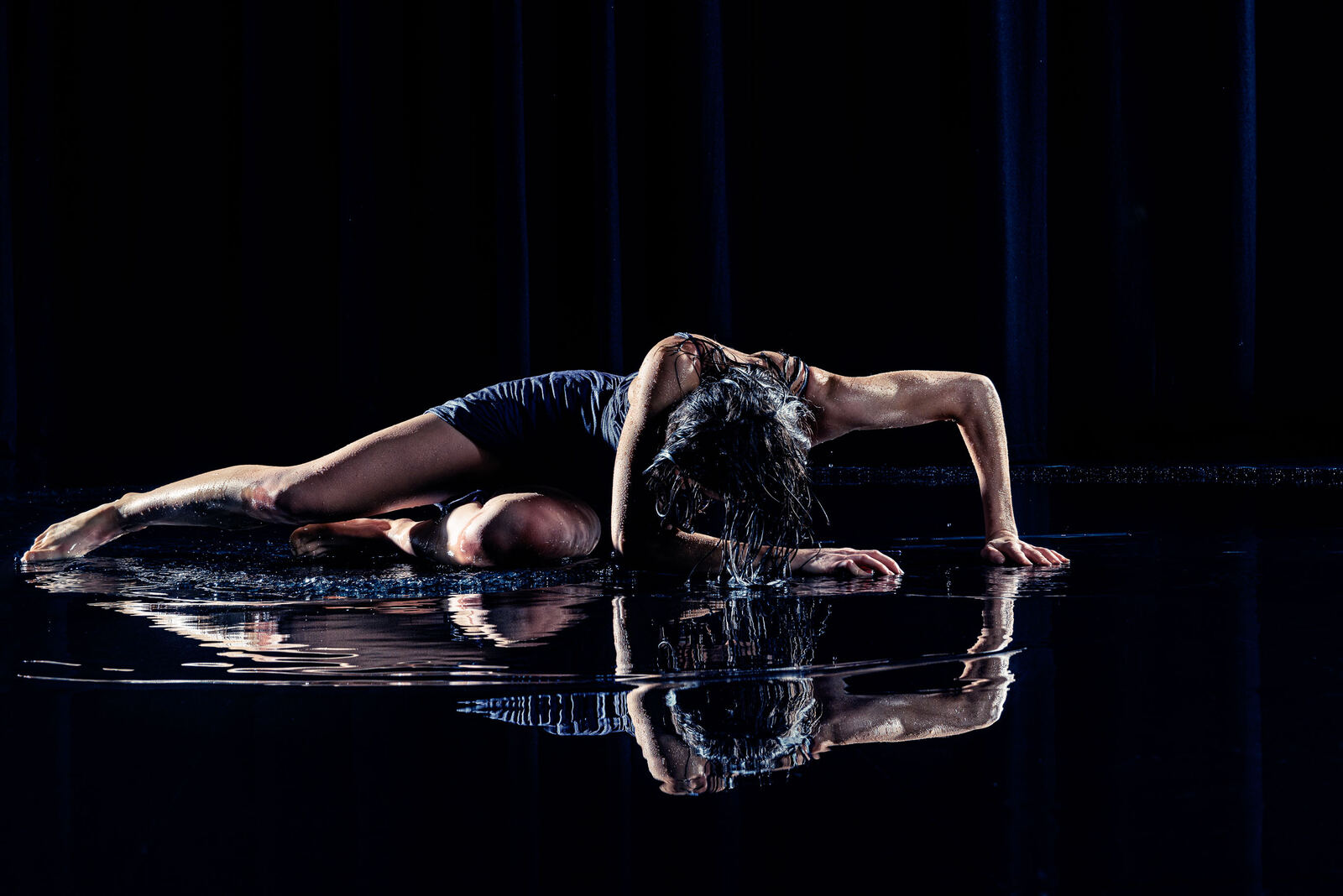
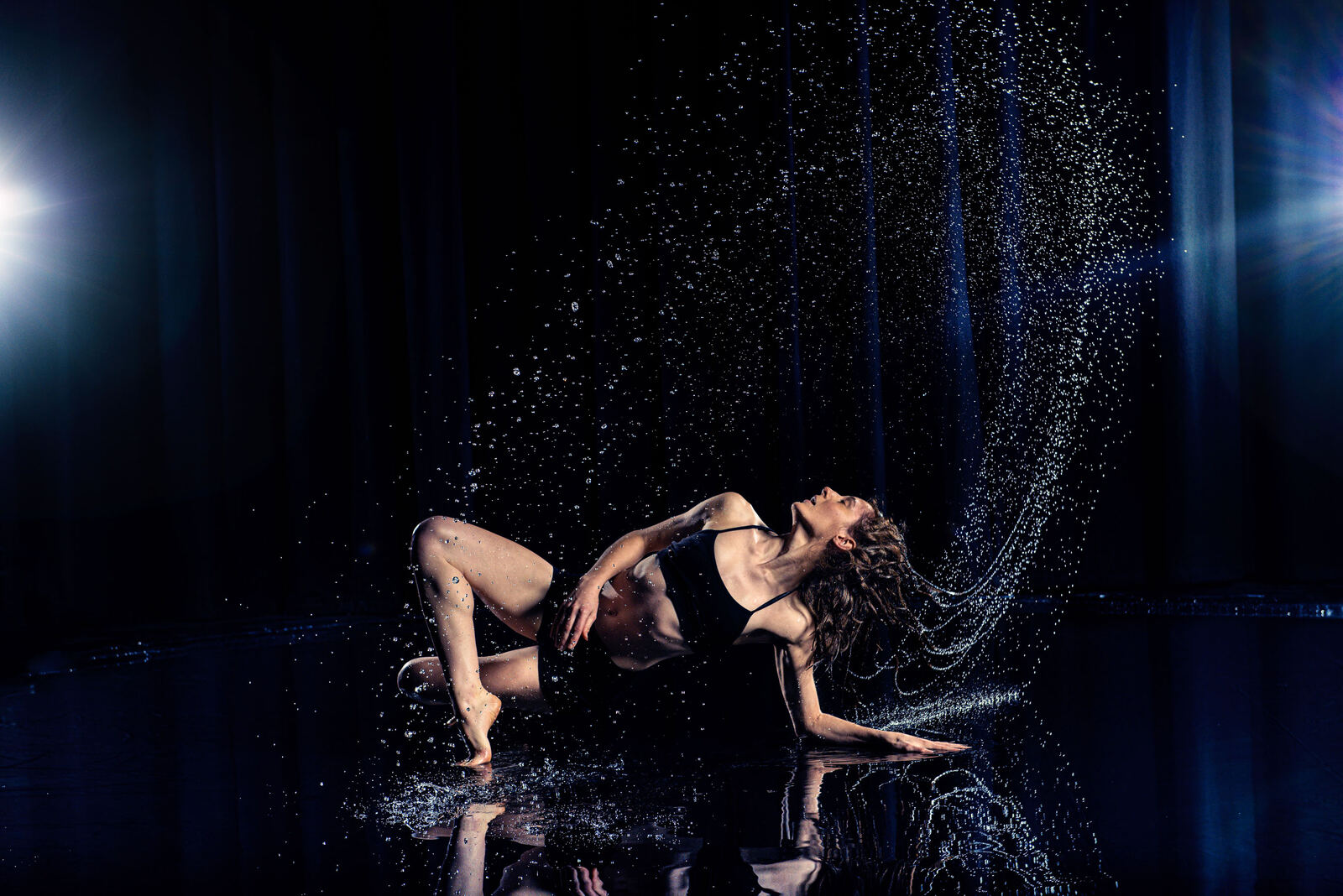
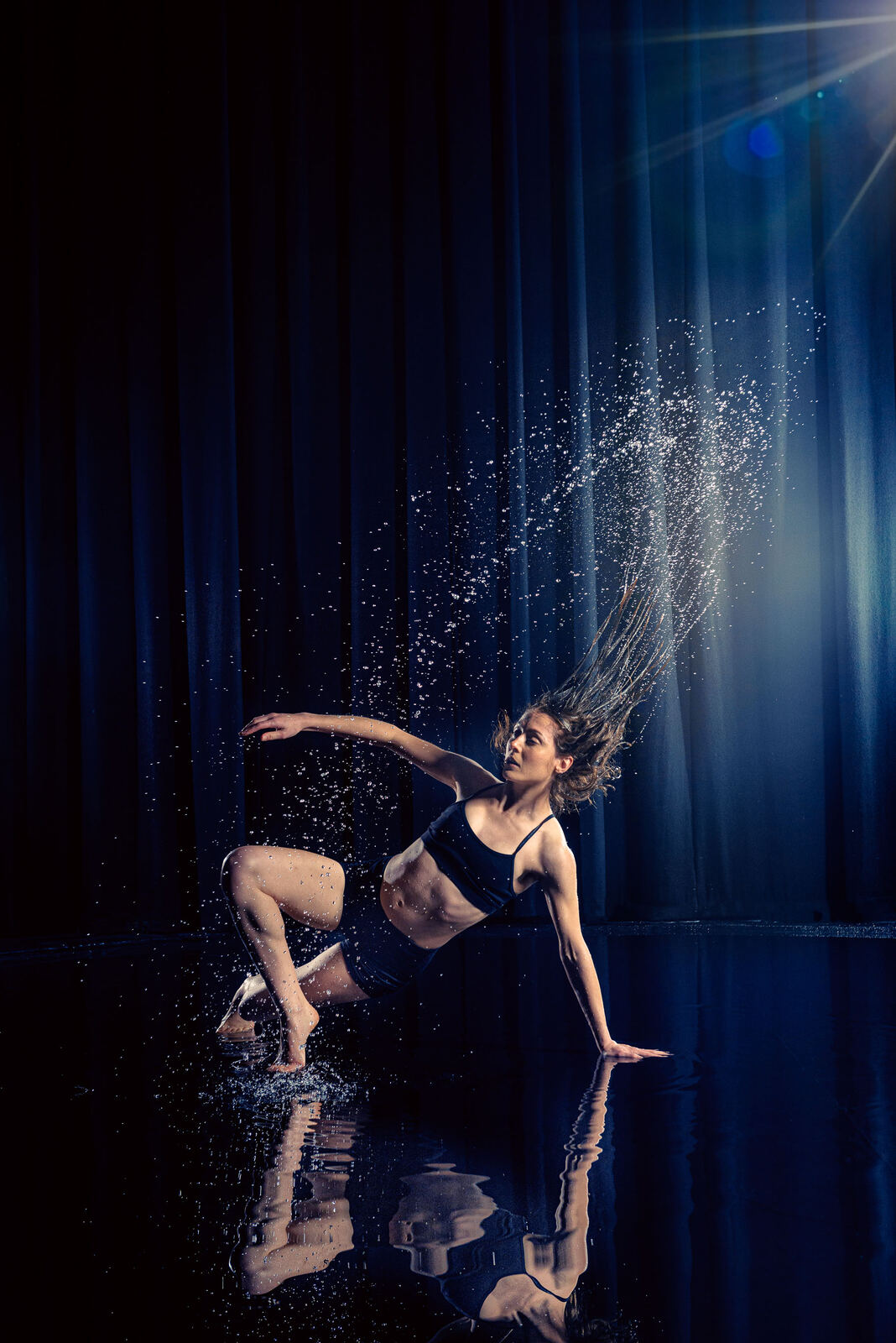
She climbs the willow. The river takes her, and the unborn son of the Crown Prince with her.
Hamlet is the greatest play ever written. Not only the greatest play — the greatest work ever formed by the human imagination, written at the very moment the modern world appeared. The moment we first hear Hamlet speaking, we think: that’s us. Suddenly out of history, our voice appears.
Shakespeare so clearly foresees every philosophical and emotional problem that grows out of the great division that caused modernity — the Reformation — and anticipates the civil war that still rages: the Platonic versus the Aristotelian, relativism versus certainty, the subjective and the objective worldview.
Dance is a notoriously poor medium for delivering complex ideas. There are no mothers-in-law in contemporary dance. So this work is one character, and more specifically one moment: the last of Ophelia.
Unlike Cleopatra or Juliet, she is not quite a tragic heroine. Her decline and death are not held centre-stage for long. She is daughter of Polonius, sister of Laertes, and — at least until the play begins — romantically involved with Hamlet. Unable to hold the contradictions demanded of her by the men in her life, she climbs a willow and plunges into the water below.
The exact circumstances are never made clear. The work centres her last moments, and the thinking that led her to that final act of will: to throw herself into the river, to drown herself, and with her the unborn son of the Crown Prince of Denmark.
Trailer
Stills
Credits
Choreography, Concept and Direction: Lewis Major
Music: James Peter Brown
Photography: Chris Herzfeld / Camlight Productions
Pascal Marty
Hamlet
There is a willow grows aslant a brook,
Gertrude — Hamlet, Act IV
That shows his hoar leaves in the glassy stream;
There with fantastic garlands did she come…